Panelist Message
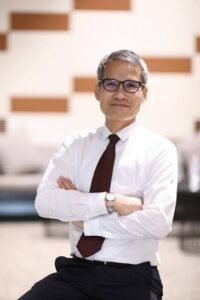
Asst. Prof. Dr. Preeda Chaiya
It is a great honor to participate in ReTour ASIA-PACIFIC 2026 under the theme “Beyond Sustainability: The Resilient Future through Regenerative Tourism.” As tourism destinations face complex global challenges, regenerative tourism offers an important pathway toward restoring ecosystems, strengthening communities, and creating meaningful visitor experiences. My research interests in tourism development, gastronomy tourism, destination management, and tourism marketing align closely with the conference’s vision of fostering resilient and regenerative futures. I look forward to engaging discussions with fellow scholars and practitioners and contributing to knowledge that advances responsible tourism development, innovation, and long-term value creation across the Asia-Pacific region.

Dr. Thanawat Tantipanichkul
I am delighted to join ReTour ASIA-PACIFIC 2026 and contribute to discussions focused on “Beyond Sustainability: The Resilient Future through Regenerative Tourism.” Today, tourism must move beyond minimizing negative impacts toward creating positive outcomes for communities, destinations, and visitors. My work in community-based tourism, tourism innovation, destination development, and quality-of-life enhancement has continually emphasized the importance of shared value creation among stakeholders. This conference provides an excellent platform for exchanging ideas, sharing research, and exploring collaborative solutions that strengthen destination resilience. I look forward to meaningful dialogue that supports regenerative tourism development throughout the Asia-Pacific region and beyond.

Asst. Prof. Niramol Promnil, Ph.D.
It is my pleasure to participate in ReTour ASIA-PACIFIC 2026. The conference theme, “Beyond Sustainability: The Resilient Future through Regenerative Tourism,” reflects the evolving direction of tourism research and practice. My academic interests in community-based tourism, green tourism development, and human resource management highlight the critical role of people and communities in achieving regenerative outcomes. Sustainable tourism cannot exist without empowered local stakeholders and responsible organizational practices. I look forward to engaging with researchers, students, industry representatives, and policymakers to explore innovative approaches that foster community resilience, environmental stewardship, and inclusive tourism development across diverse destination contexts.

Asst. Prof. Dr. Anyarat Nattheeraphong
I am honored to serve as a panelist for ReTour ASIA-PACIFIC 2026 and join conversations surrounding “Beyond Sustainability: The Resilient Future through Regenerative Tourism.” Regenerative tourism requires not only environmental and economic considerations but also effective communication, intercultural understanding, and meaningful stakeholder engagement. As an educator and researcher specializing in applied linguistics and intercultural communication, I am particularly interested in how language, culture, and education can contribute to building inclusive and resilient tourism systems. I look forward to exchanging perspectives with participants from diverse disciplines and exploring how collaborative knowledge can support transformative and regenerative tourism futures throughout the Asia-Pacific region.

Asst. Prof. Dr. Paranee Boonchai
As Dean of the Faculty of Tourism and Hotel Management at Mahasarakham University, I am honored to join ReTour ASIA-PACIFIC 2026 under the inspiring theme, “Beyond Sustainability: The Resilient Future through Regenerative Tourism.” This conference provides a valuable platform for scholars, practitioners, and policymakers to explore innovative pathways that strengthen destination resilience and create lasting value for communities and ecosystems. As tourism continues to evolve amid global challenges, regenerative approaches offer opportunities to move beyond recovery toward renewal and transformation. I look forward to engaging discussions, knowledge exchange, and collaborative solutions that will shape a more resilient future for tourism.